Visit Lille in One Day: 5 Stops on Foot
Palais Rihour, Moulin Saint-Pierre, Notre-Dame de la Treille, Place aux Oignons, Porte de Gand: a walking route to understand Lille in a single day.

One day is short for a city like Lille. It is plenty, though, to catch its spirit, as long as you don't try to see everything. Here are five stops to link on foot. Each one tells a different side of the city, from the Dukes of Burgundy to the ramparts, by way of water, stone and brick.
You don't need to know it all before you set off: this article only gives the essentials, and you'll find the rest on the spot. And so that the walk can tell its own story, we'll introduce a travel companion at the end: the Curiocité app.
The route at a glance: what to see in Lille in one day
- Palais Rihour: the palace of the Dukes of Burgundy, in the heart of the city
- Moulin Saint-Pierre: a relic that explains the history of the canals
- Notre-Dame de la Treille cathedral: a contemporary façade on a neo-Gothic nave
- Place aux Oignons: picturesque Vieux-Lille
- Porte de Gand: the city's fortifications
1. Palais Rihour, the essential stop
The route starts in the heart of the city, on the square that bears its name. In 1453, Philip the Good, Duke of Burgundy, had a palace built here for his court. Lille was then becoming one of the major residences of the Burgundian state.
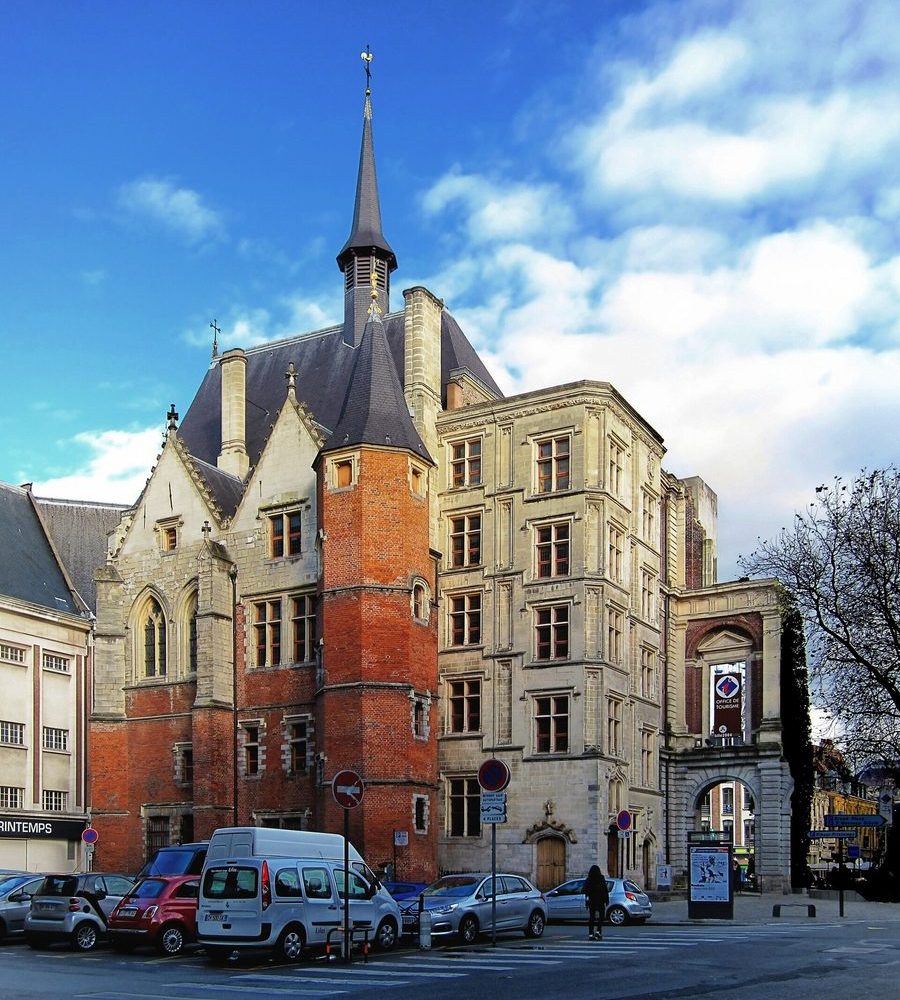
Only a small part of it remains: fires followed one another, up to the one in 1916. The façade is Flamboyant Gothic, and the decoration repeats the briquet, the fire striker that was Philip the Good's personal emblem. The palace now houses the Tourist Office, a convenient place to get information before setting off.
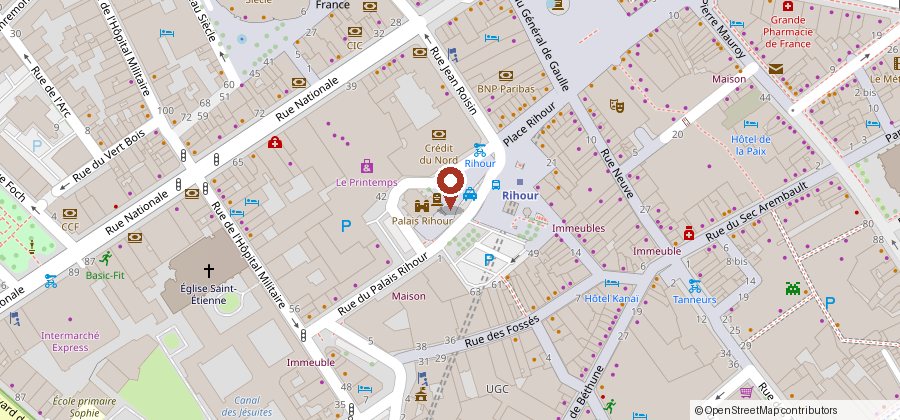
See the location on OpenStreetMap
In Curiocité: this place hides under the secret name "The Cursed Palace". Six chapters to read on the spot, including the legend of a famous banquet that was never held here.
2. Moulin Saint-Pierre, for the story of the canals
Next comes Vieux-Lille. There is no spectacular monument here: just a large pan of brick wall pierced with windows, as if left standing by chance. It is what remains of a water mill given to the Hospice Comtesse by Joan of Flanders.
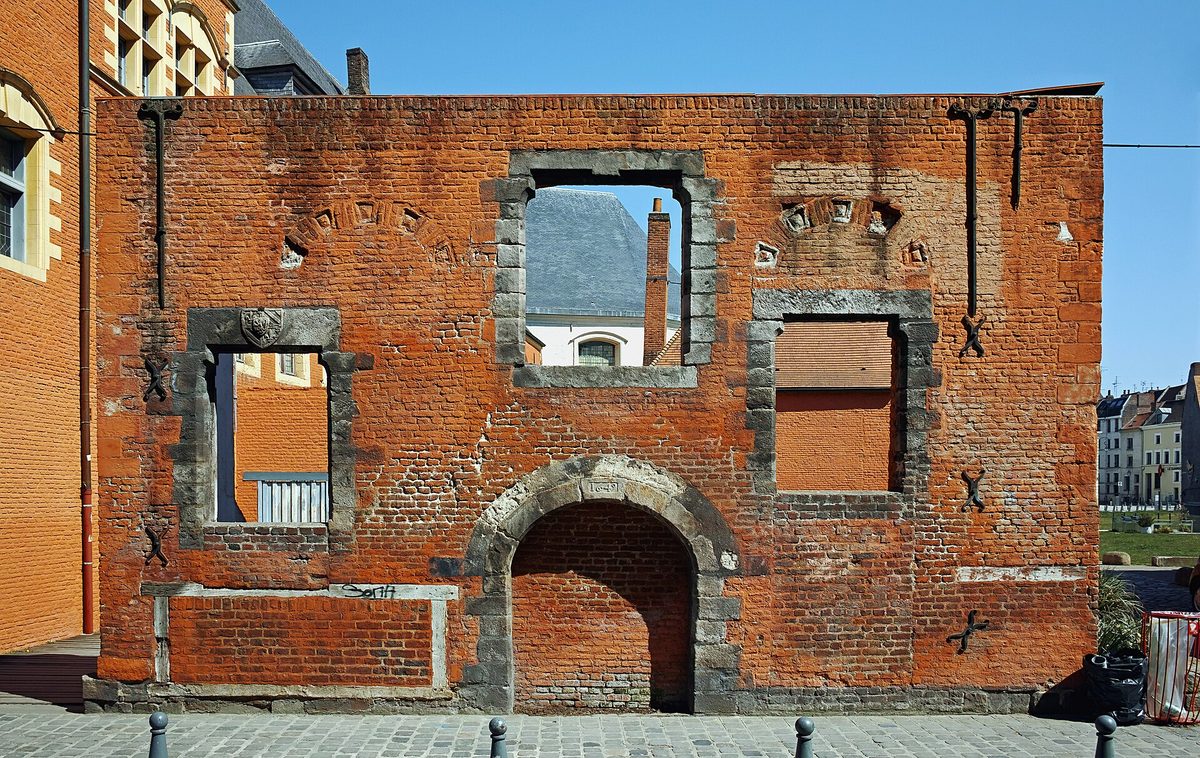
Its wheels were driven by the Saint-Pierre canal, an arm of the Deûle that ran through the city. The canal is still there, underneath, and can be visited during the European Heritage Days. The coat of arms of Charles the Bold is still visible above the left-hand window. As for the name of the neighbouring street, rue des Trois-Mollettes, it comes from the same vocabulary: molette is a word from the Lille dialect for a pulley.
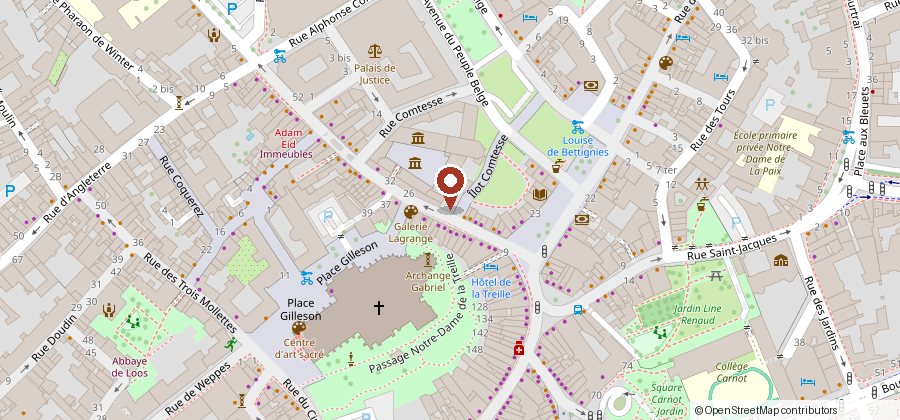
See the location on OpenStreetMap
In Curiocité: "An Enigmatic Stretch of Wall", five chapters to understand what water did in the heart of Lille.
3. La Treille, a one-of-a-kind cathedral
Still in Vieux-Lille, the cathedral of Notre-Dame de la Treille looks like no other. Begun in 1854 in the neo-Gothic style, it stayed unfinished for almost fifty years, closed off by a temporary brick façade. It finally received a resolutely contemporary front in 1999.
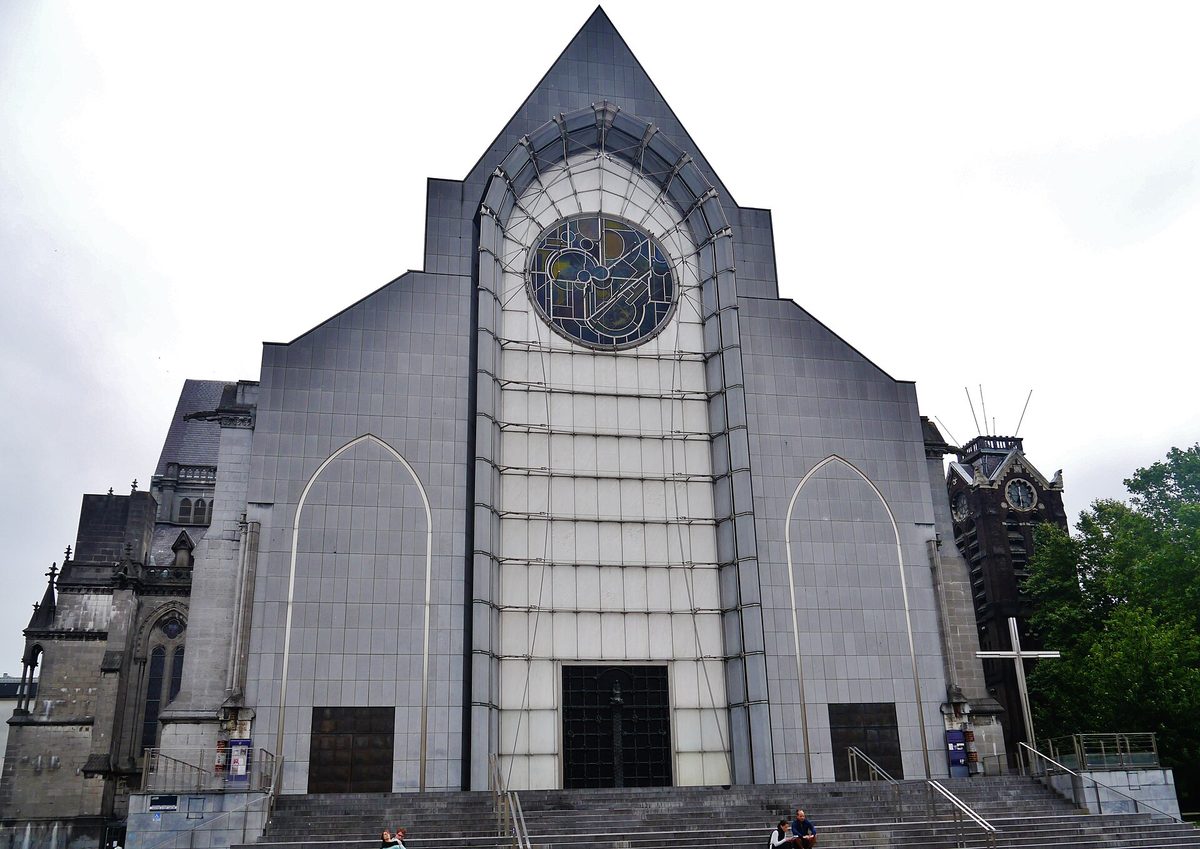
The "veil" at its centre is made of 110 slabs of pink Portuguese marble, only three centimetres thick. From the outside it is opalescent. From the inside, daylight passes through the stone and tints the nave amber. A 19th-century nave, a 20th-century façade: this deliberate dialogue has no equivalent in France.
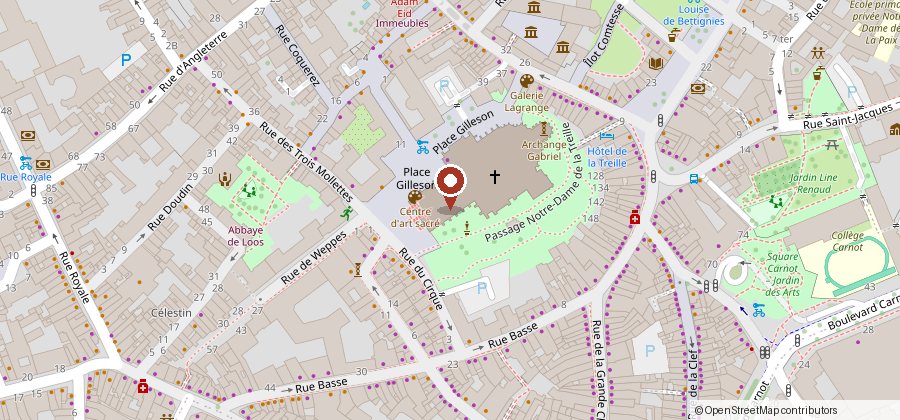
See the location on OpenStreetMap
In Curiocité: "A Century and a Half of History and Architecture", six chapters to read at the foot of the steps.
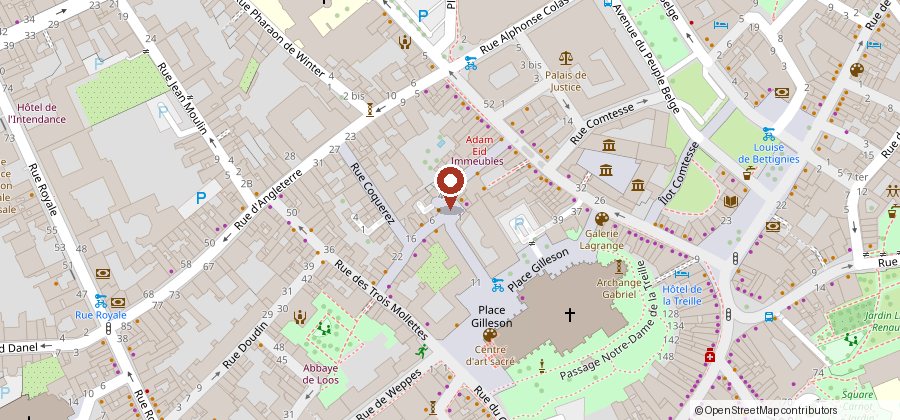
4. Place aux Oignons, picturesque Vieux-Lille
This is the most photographed corner of Vieux-Lille, and the one where you want to sit down. Its low, narrow brick-and-stone façades, small-paned windows and café terraces make it an ideal mid-route break.
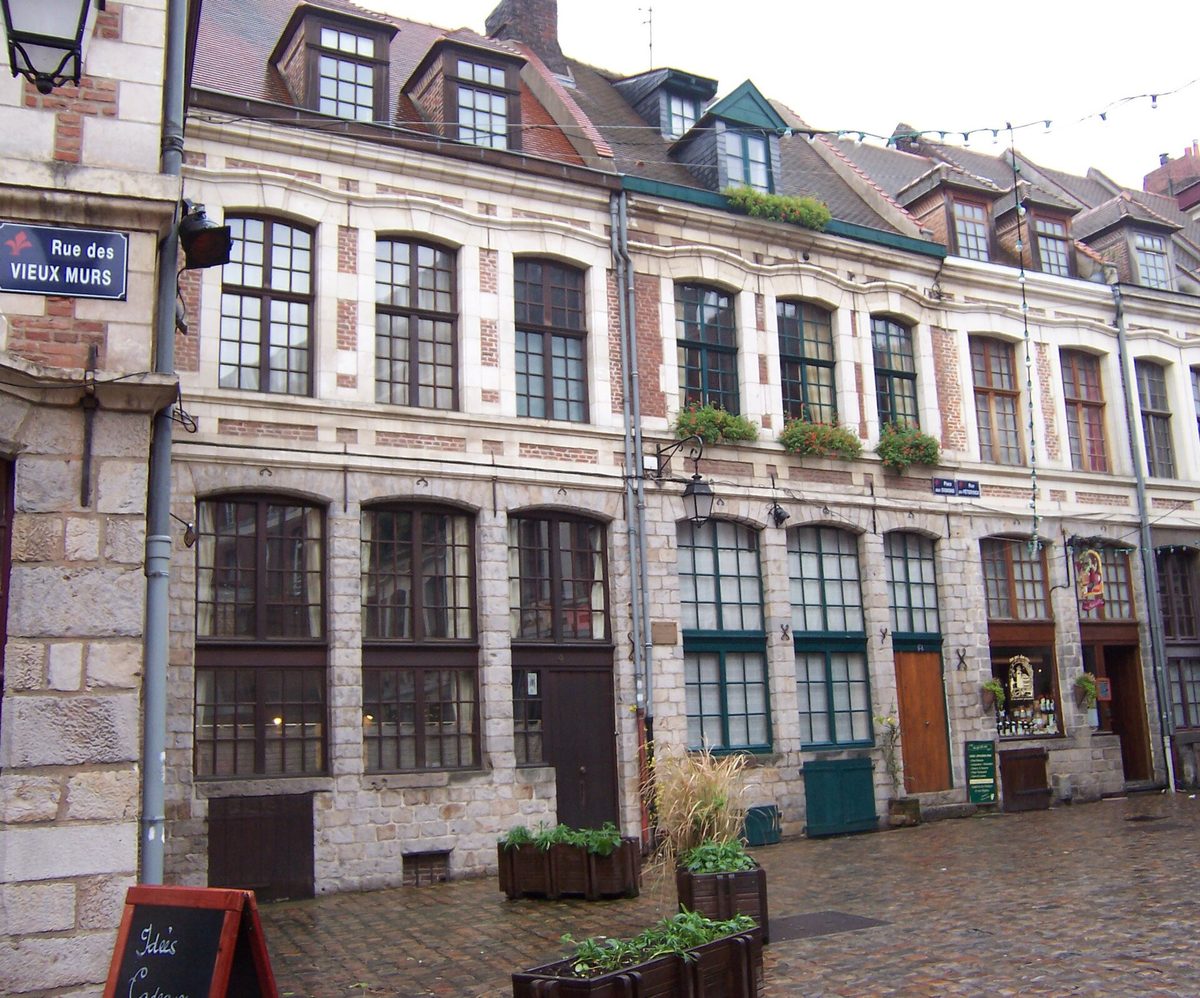
It has nothing to do with vegetables, though: the name would come from the Latin dominium, the keep of the fortress of the Counts of Flanders that stood nearby. Another surprise: a good part of what is on show is less than forty years old. The district was rebuilt as it was between 1985 and 1990, following the old façades. The square is authentic in its layout, recent in its walls.
See the location on OpenStreetMap
In Curiocité: "The Keep That Became an Onion", five chapters, including one on a district that was not always this pretty.
5. Porte de Gand, to understand the fortifications
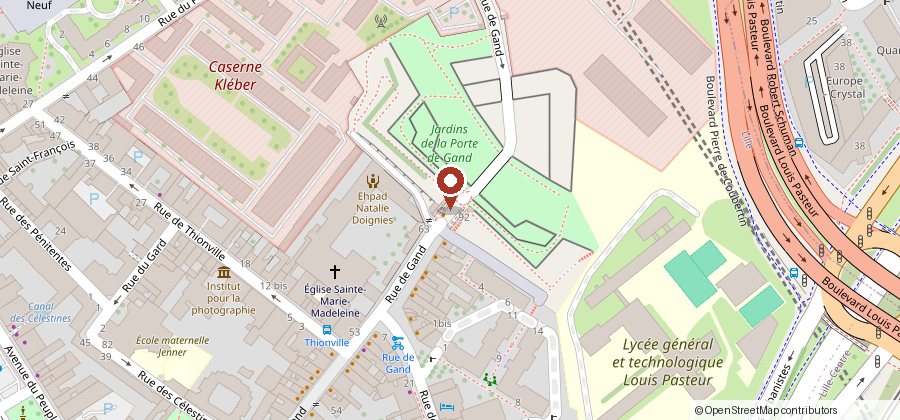
The day ends at the foot of a gate that is anything but French. It belongs to the Spanish city wall built between 1617 and 1621, in the time of Archdukes Albert and Isabella.
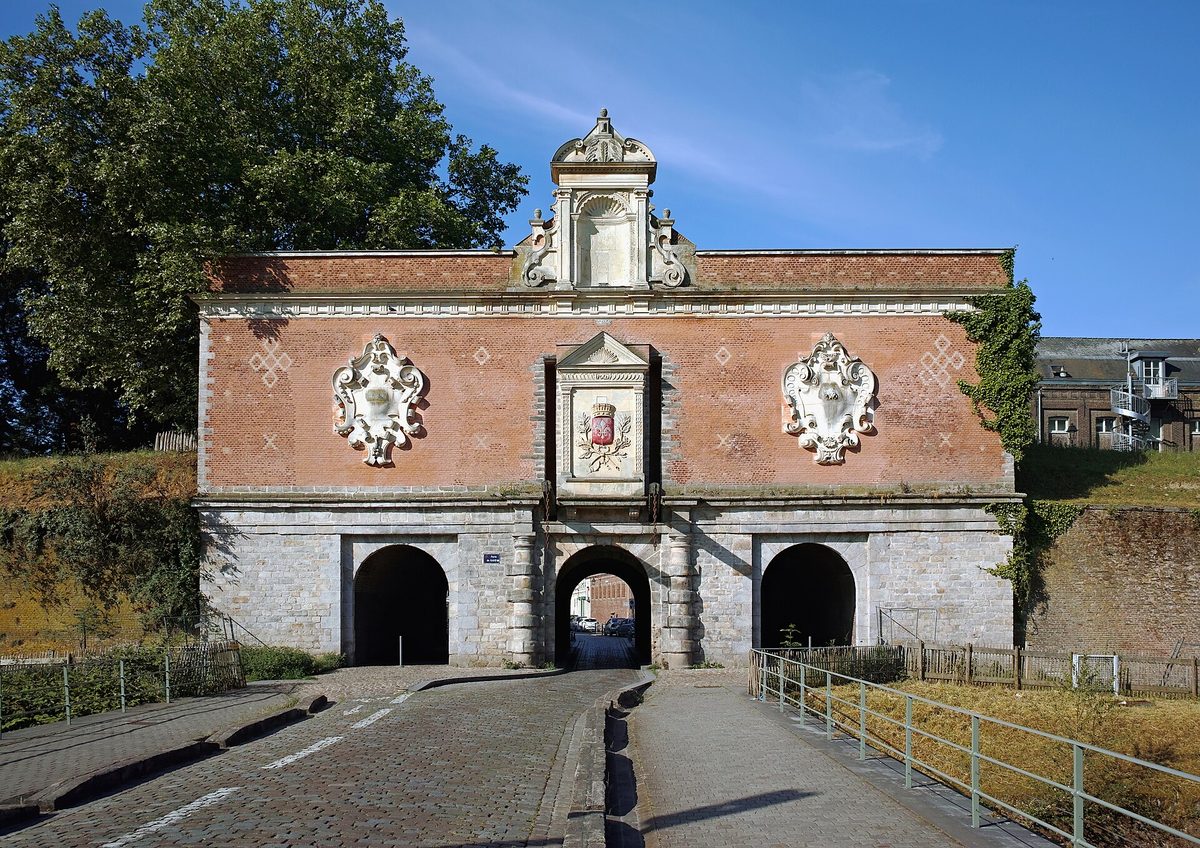
Its defensive role is easiest to read on the country side, where everything is massive, with few openings. Ramparts and their gates were first of all tools of intimidation, meant to discourage an attacker before the assault even began. When Louis XIV took Lille and Vauban reorganised the fortifications, almost all the Spanish works were rebuilt or razed. Not this one: Vauban kept it and simply reinforced it.
See the location on OpenStreetMap
In Curiocité: "The Gate's Two Faces", four chapters to learn how to read a fortification.
Curiocité: the app that tells Lille's stories as you walk
These five places are only a sample. Curiocité is a free app for exploring Lille on foot: more than 80 places across Vieux-Lille and the city centre are hidden behind a secret name, and only reveal themselves when you walk up to them.
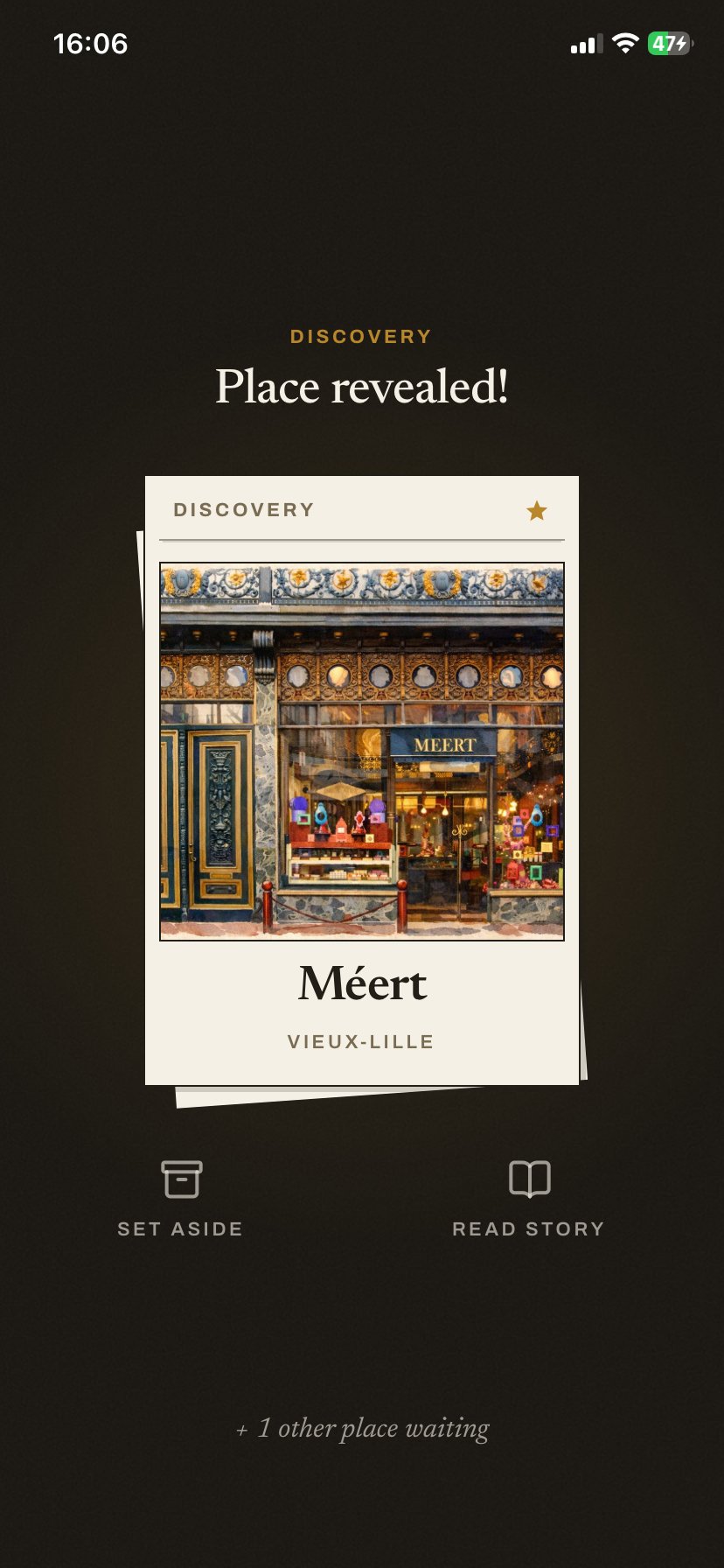
- One discovery at a time: you pick a name that intrigues you on the map, walk there, and the story starts by itself.
- Stories to read on the spot, with an audio version in French and English.
- 100% offline after a single download, ideal when visiting Lille from abroad without a data plan.
- Free, no account, no ads. Only access to your GPS position is needed, and it never leaves your phone.
- In French, English and Dutch.
- A keepsake of your day: the places you find are strung together in "My walk", like the trace of your walk.
The app is an early version and is coming soon to the App Store and Google Play. In the meantime, you can join the testers and do this route before everyone else. Answers to the most common questions (price, offline use, languages) are gathered in the Curiocité FAQ.
Planning your day
- Good shoes are a must: everything is done on foot, on cobblestones.
- It is best to download the app's content at home, on wifi, before setting off.
- There is no need to try to see everything: the stops are close to each other, which leaves room for breaks and detours.
- Coats of arms, street names and stretches of wall are often the best clues: that's where Lille hides its stories.
Photo credits
All photographs come from Wikimedia Commons under Creative Commons licences. They were cropped and resized for this article. The app screenshots are from Curiocité.
- Place aux Oignons, header image: VVVCFFrance, CC BY-SA 4.0
- Palais Rihour: Velvet, CC BY-SA 3.0
- Moulin Saint-Pierre: Velvet, CC BY-SA 4.0
- Notre-Dame de la Treille cathedral: Zairon, CC BY-SA 4.0
- Place aux Oignons: B.navez, CC BY-SA 3.0
- Porte de Gand: Velvet, CC BY-SA 4.0
- Map backgrounds: © OpenStreetMap contributors, ODbL licence